Amla Powder: Uses, Vitamin C Claims and Formulation Tips for Food Brands
Amla powder brings a sharp, tangy note to wellness drinks, chutneys and premixes. Here's how to use it, what to check, and how to treat vitamin C claims on your label.
Legacy Editorial · 31 Oct 2026 · 5 min read
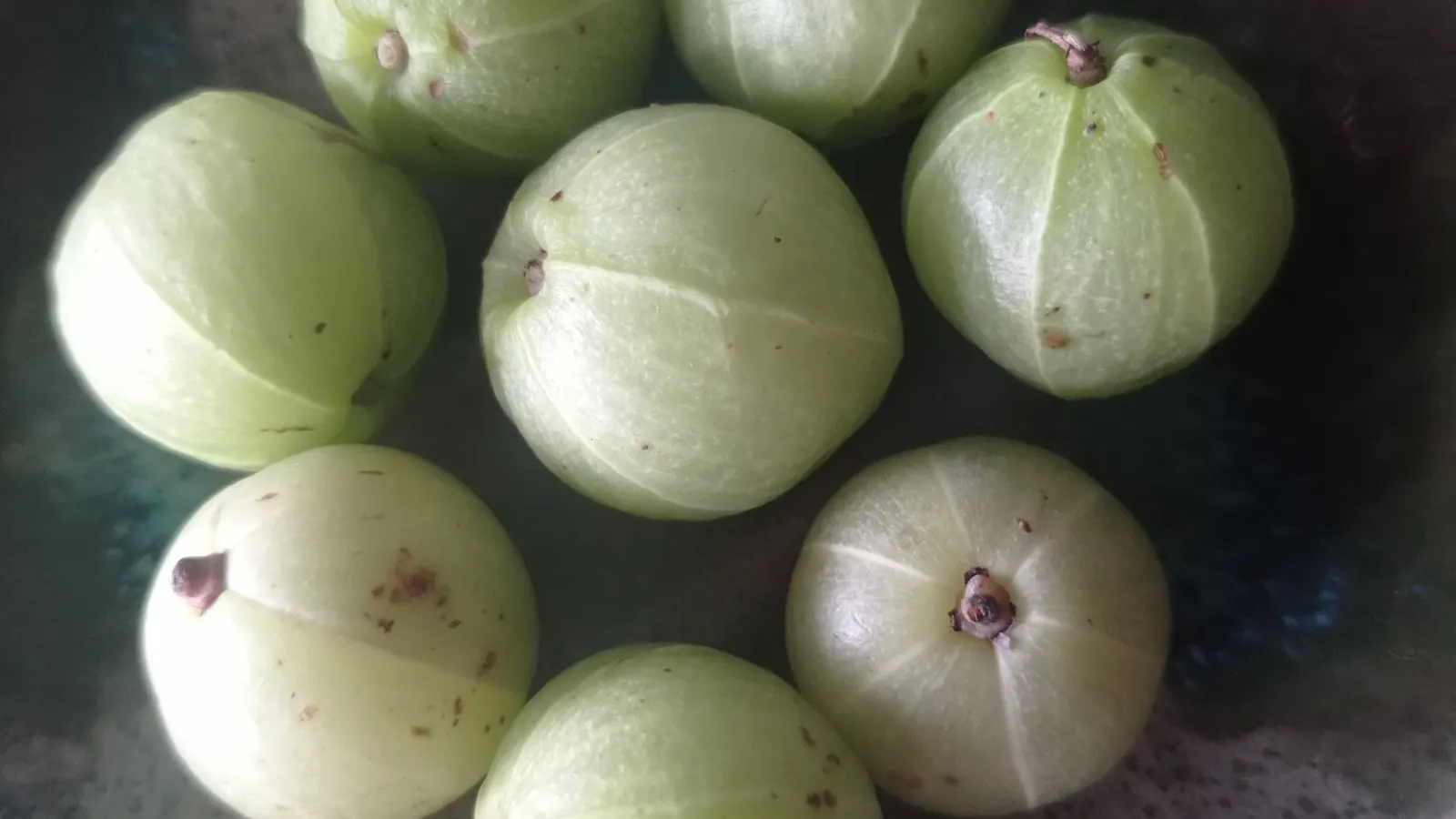
Photo: SarKaLay စာကလေး, CC BY-SA 4.0, cropped

Amla powder is dried Indian gooseberry used in wellness drinks, premixes, chutneys and functional foods for its sharp, tangy taste. Its vitamin C content varies by fruit, processing and storage, so label claims should be based on testing of your actual batch.
Amla powder is made from Indian gooseberry (Phyllanthus emblica), a fruit with a long history in Indian kitchens and traditional wellness. Its strong sour and astringent taste makes it useful in beverages and savoury blends, and its reputation for vitamin C has made it popular in functional foods.
What is amla powder used for?
- Juices and wellness drinks, often with ginger, honey or fruit powders.
- Beverage and wellness premixes, where a dry format is easier to dose.
- Chutney and seasoning mixes that need a sour, tangy lift.
- Functional food formulations and private label wellness ranges.
How much vitamin C does amla powder contain?
It varies. Fruit variety, maturity, processing and storage all affect the result, and vitamin C is sensitive to heat, oxygen and moisture. Figures published online differ widely and many cite no laboratory analysis, including popular comparisons with oranges. If vitamin C will appear on your label, test your actual batch and finished product rather than quoting a general figure.
How do you balance amla's taste?
- Pair it with sweet fruit powders such as apple, mango or banana.
- Use ginger, mint or black salt in savoury and digestive-style drinks.
- Start at a low dosage, because astringency builds quickly.
- Check dispersion in cold water, and allow for some natural sediment if the drink isn't filtered.
What should buyers check?
- Processing type and any carrier used. Our amla powder is spray-dried.
- Colour, which should be a light beige to pale green, and a clean tangy aroma.
- Moisture limits and microbiological results on the Certificate of Analysis.
- Whether your health wording is permitted. Avoid disease or cure claims, and review them against FSSAI rules.
Our amla powder has a 12-month shelf life and comes in retail packs and 1 kg and 5 kg bulk packs. See the product page for details, or ask for a sample to test in your formulation.
Frequently Asked Questions
How do you drink amla powder?
Stir a small amount into water or juice. Its taste is sour and astringent, so sweet fruit, ginger or honey can balance it.
Does amla powder lose vitamin C?
Vitamin C is sensitive to heat, oxygen and moisture, so some loss can occur in processing and storage.