Coconut Milk Powder Guide: Uses, Reconstitution and Dairy-Free Labelling
Coconut milk powder replaces cans and cartons in curries, desserts and drinks. Learn how to reconstitute it, what carriers do, and why not every powder is dairy-free.
Legacy Editorial · 31 Oct 2026 · 5 min read
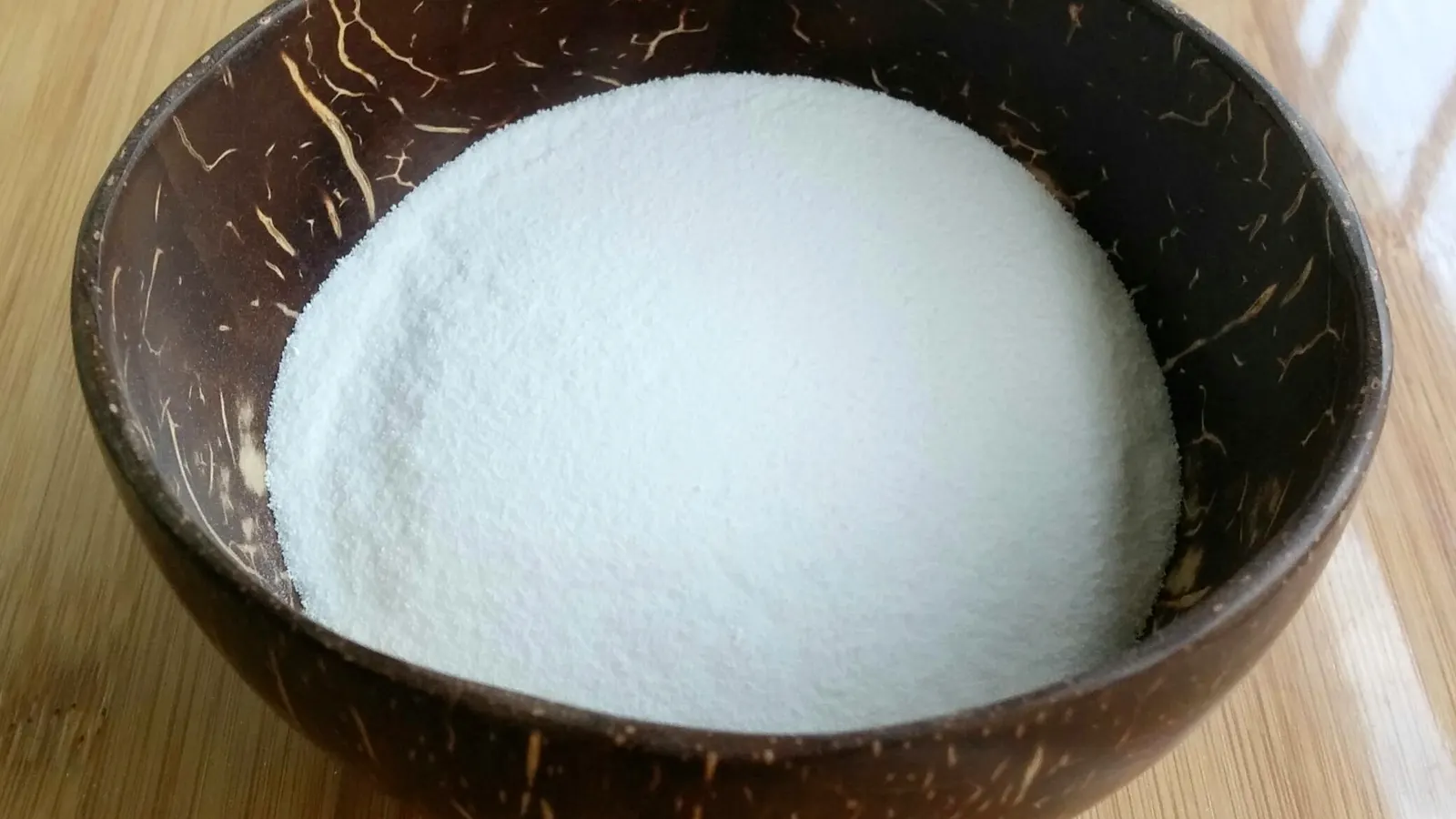
Photo: Susan Slater, CC BY-SA 4.0, cropped

Coconut milk powder is spray-dried coconut milk used in curries, desserts, drinks and soups. Reconstitute it by whisking in warm water until smooth. It is not always dairy-free: powders containing sodium caseinate include a milk protein, so always check the ingredient list.
Coconut milk powder is coconut milk that has been spray dried into a fine, shelf-stable powder. It gives kitchens and food manufacturers the creamy taste of coconut without opening cans, handling liquid or relying on a cold chain once a pack is opened.
What is coconut milk powder used for?
- Curry and gravy mixes, including Kerala and Thai-style bases.
- Desserts, ice cream, sweets and dairy-alternative products.
- Beverage and smoothie formulations.
- Soup and sauce mixes that need body and a rich mouthfeel.
How do you turn coconut milk powder into coconut milk?
Add warm water gradually and whisk or blend until smooth. Use less water for a cream-style consistency and more for a thinner milk. Published ratios vary widely between brands, because fat level and carrier differ, so follow the pack or run your own trial. Warm water helps the fat disperse, while cold preparations benefit from a blender or shaker.
Is coconut milk powder dairy-free?
Not always. Spray drying a high-fat liquid usually needs a carrier, and some products use sodium caseinate, a protein derived from milk. A powder containing caseinate is not dairy-free or vegan, even though its main ingredient is coconut. Other powders use plant-based carriers such as tapioca maltodextrin. Always read the ingredient list, and ask for allergen documentation before making a vegan or dairy-free claim on your own label.
How should it be stored?
Keep the powder in a cool, dry place and reseal it well. Because it contains fat, it can absorb odours and develop off-notes after long exposure to air, heat or light. Moisture will make it cake, so always use a dry scoop.
What should buyers check?
- Fat content, because it drives creaminess and cost in use.
- The carrier type and any allergens.
- Solubility at the temperature your process uses.
- Clean coconut flavour with no soapy or rancid notes.
Our spray-dried coconut milk powder is a fine white to cream powder with a 12-month shelf life. Contact our team for its composition and a sample.
Frequently Asked Questions
Can I use coconut milk powder in place of canned coconut milk?
Yes, in most recipes. Reconstitute it to the required thickness, adjusting water to match the recipe.
Is coconut milk powder vegan?
Only if it uses plant-based ingredients. Powders with sodium caseinate aren't vegan.