FSSAI Rules for Private Label Food Powder Brands in India: Licence and Label Guide
Selling food under your own brand makes you responsible for what is on the pack. Here is how licensing, labels and legal metrology rules apply to private label brands.
Legacy Editorial · 31 Oct 2026 · 6 min read
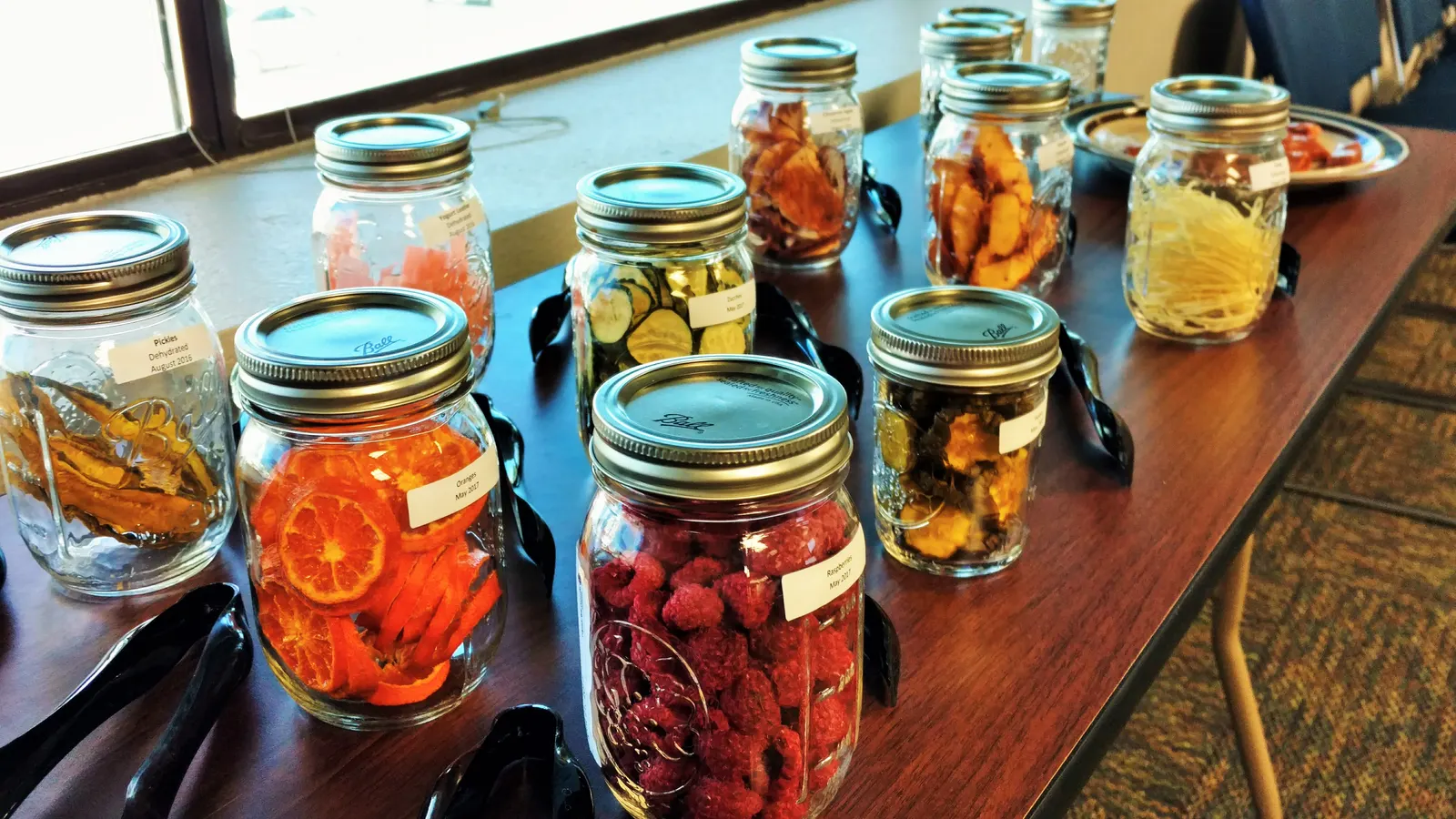
Photo: Nutrition, Food Safety Health, CC0, cropped

A private label food brand in India needs FSSAI registration or a licence covering its activity, a manufacturer with a valid licence, labels that follow the Labelling and Display Regulations, 2020, and Legal Metrology declarations such as net quantity, MRP and consumer care details.
Private label is one of the quickest ways to enter the Indian food market, because a manufacturer handles the production while you build the brand. Compliance does not go away, though. As the brand owner, your name is on the pack, and customers and regulators will look to you. This guide covers the main steps. It is general information rather than legal advice, so confirm the current rules on the FSSAI website or with a food consultant before you print labels.
Step 1: Get the right FSSAI licence
Every food business in India needs FSSAI registration or a licence, applied for through the FoSCoS portal. Your category depends on factors such as turnover and the scale of your business, and these thresholds have been revised, so check the current limits rather than relying on an older article.
The kind of business you select matters as much as the licence tier. A brand that sells a product made by someone else usually needs its licence to cover the correct activity, such as marketing or relabelling, and repacking is a separate activity. Ask your consultant which applies to your model, because an incorrect selection is a common and avoidable mistake.
Step 2: Confirm your manufacturer's documents
- A valid FSSAI licence that covers the product category you are buying.
- A written agreement that states who handles specifications, testing, recalls and complaints.
- A Certificate of Analysis for each batch, plus a shelf-life basis for the date you plan to print.
Step 3: Get the label right
Pre-packaged foods are governed by the Food Safety and Standards (Labelling and Display) Regulations, 2020. In practice, your label will usually need:
- The name of the food and a list of ingredients in descending order by weight, including additives.
- A nutrition information panel, where applicable.
- The vegetarian or non-vegetarian logo.
- Declarations for allergens.
- The name and full address of the brand owner, and the manufacturer's or packer's details where they are different.
- The FSSAI logo with the licence number, including the manufacturer's number when it differs from yours.
- The lot or batch number, date of manufacture or packing, and the best-before or use-by date.
- Any instructions for storage or use that are needed for safety or quality.
Step 4: Follow Legal Metrology rules
Packaged goods sold to consumers must also comply with the Legal Metrology (Packaged Commodities) Rules, 2011. This covers declarations such as net quantity, maximum retail price and consumer care contact details. Because these rules are separate from FSSAI, a label can pass one review and still fail the other.
Step 5: Be careful with claims
Words like "natural", "immunity booster", "100% pure" or "no added sugar" can sell, but they also need to be justified. FSSAI's advertising and claims regulations restrict misleading or unsupported claims, and health-related claims receive the closest attention. If you can't back up a claim with evidence, leave it off the pack.
Common label mistakes
- Leaving a carrier or additive out of the ingredients list.
- Printing a shelf life that the manufacturer has not validated for that pack format.
- Using a design with mandatory text that is too small to read.
- Reprinting a label without checking for regulatory amendments.
A last check before your print run is cheap compared to reprinting stock. If you are planning a private label range, our team can talk you through available products, pack formats and documentation.
Frequently Asked Questions
Do I need an FSSAI licence for a private label food brand?
Yes, a food business needs FSSAI registration or a licence. The category and kind of business depend on your turnover and model, so confirm the current requirements on FoSCoS or with a consultant.
Whose details go on a private label pack?
The label generally shows the brand owner's name and address, plus manufacturer or packer details where they differ, along with the relevant FSSAI licence numbers.