Moringa Powder: Nutrition, Uses and Quality Guide for Food Brands
Moringa powder is used in greens blends, drinks and functional foods. Learn what it contains, how to balance its taste and which quality markers matter to buyers.
Legacy Editorial · 14 Jul 2026 · 5 min read
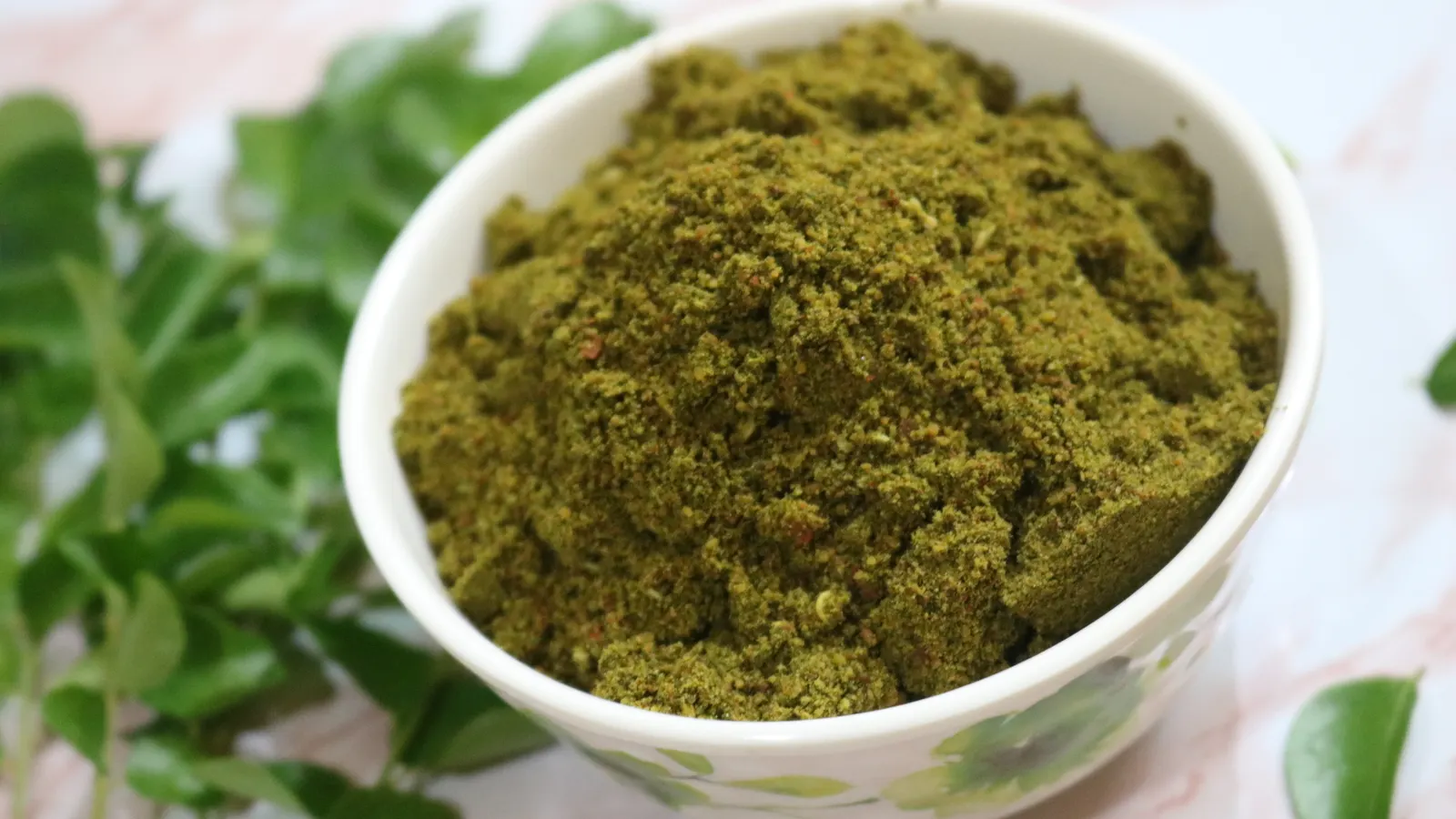
Photo: Satyalatha, CC BY-SA 4.0, cropped

Moringa powder is dried, milled Moringa oleifera leaf. Commonly published values are around 25 to 27 g protein per 100 g, though iron figures vary. It is used in greens blends, drinks, snacks and supplements. Buyers should check colour, moisture, microbiology and heavy metals.
Moringa oleifera — the "drumstick tree" — has been used in South Asian households and Ayurvedic practice for generations. What's new is the scale at which global food and supplement brands are now formulating with it.
The nutritional case
Moringa leaf is unusually dense for a leafy green: it carries meaningful levels of vitamin A, vitamin C, calcium, iron and potassium, along with a fuller amino acid profile than most plant leaves, plus antioxidant compounds like quercetin and chlorogenic acid. That combination is why it keeps showing up on "superfood" ingredient lists across smoothie powders, greens blends, and functional beverages.
Why demand is accelerating
- Clean-label momentum — brands want a recognizable, single-ingredient plant story instead of a synthetic vitamin blend.
- Sustainability — moringa is fast-growing, drought-tolerant, and needs comparatively little water and input versus many commercial crops.
- Category expansion — moringa has moved from capsules and teas into bakery, pasta, snack bars, and pet nutrition formulations.
What buyers should actually check
Not all moringa powder is equal. The drying method has an outsized effect on both color and nutrient retention — shade-dried or low-temperature-processed leaf keeps more of its chlorophyll and vitamin C than sun-dried material, and it shows in the finished powder's vivid green versus a duller, brownish tone.
- Moisture content — should sit below 8–10% to prevent microbial growth and caking in storage.
- Particle size and mesh — finer mesh dissolves better in beverages; coarser grinds suit baked applications.
- Microbial and heavy-metal testing — leafy powders are more prone to contamination during harvest and drying, so a current Certificate of Analysis matters.
- Leaf vs. stem content — pure leaf powder commands a premium and has a milder taste than material cut with stem fiber.
For formulators, moringa's earthy, slightly bitter, grassy flavor note is the main hurdle — most successful products pair it with citrus, ginger, or sweet fruit powders rather than using it as a standalone flavor.
Frequently Asked Questions
How much moringa powder is normally used per day?
Sellers commonly suggest around 3 to 6 g a day, but this isn't an official dose. People who are pregnant or taking thyroid, blood pressure or diabetes medication should ask a doctor first.
What does moringa powder taste like?
It has an earthy, slightly bitter and grassy taste. Citrus, ginger and sweet fruit powders help to balance it.