Launching a Private Label Food Brand: A Practical Guide for Food Powders
MOQs, packaging formats, regulatory docs, shelf-life claims — a practical guide for entrepreneurs building a premium food brand from scratch using contract ingredients.
Legacy Editorial · 26 May 2026 · 10 min read
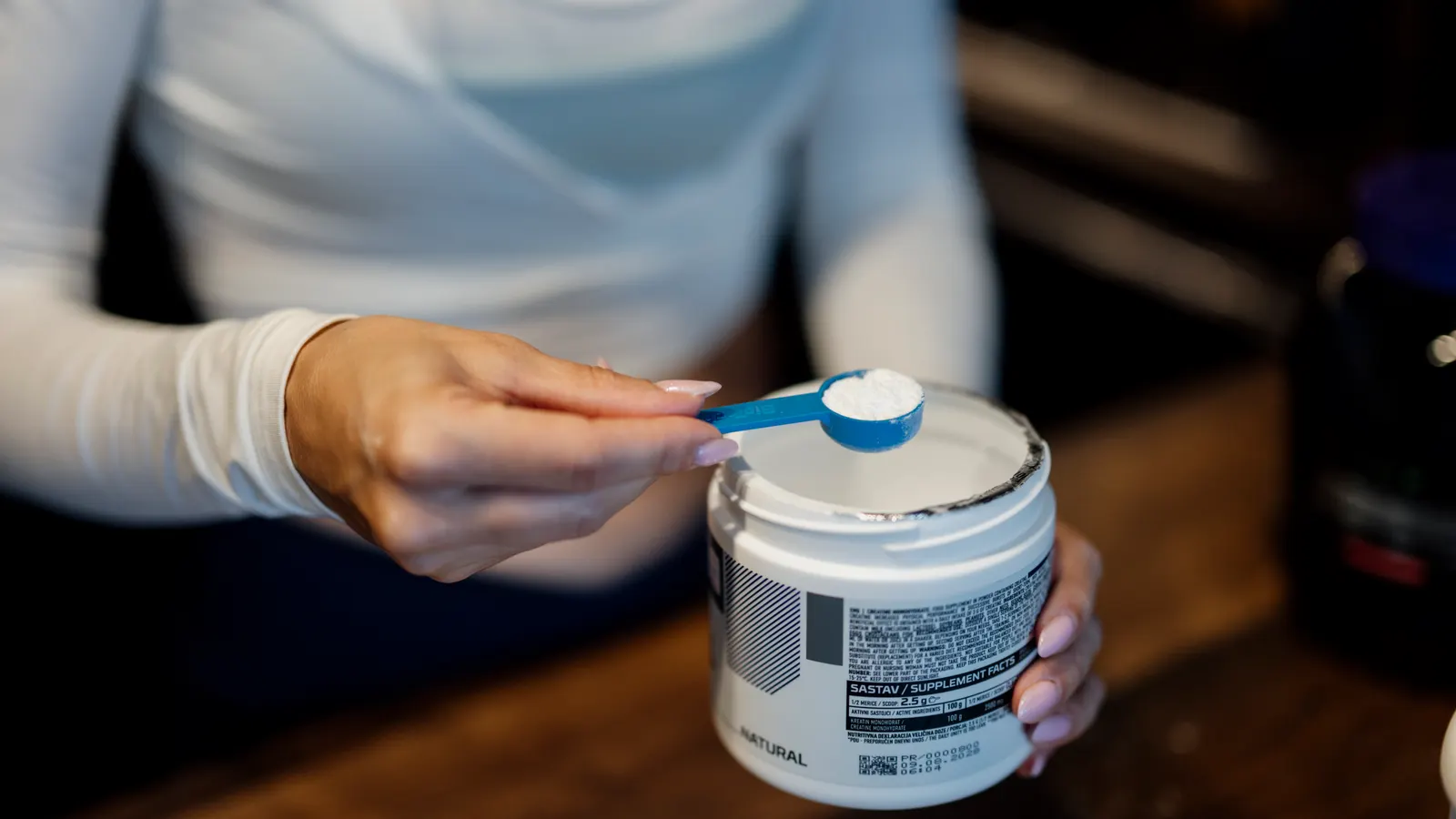
Photo: Shixart1985, CC BY 2.0, cropped

To launch a private label food powder brand, pick two or three SKUs, confirm the MOQ, choose moisture-protective packaging, complete FSSAI and labelling requirements, and validate shelf life with your supplier. Custom formulation can come after sales prove demand.
Ready-made food powders have made it dramatically easier for a small team to launch a premium food brand without owning a single piece of processing equipment. Here's what actually goes into that path, from minimum order quantities to the paperwork.
Minimum order quantities
MOQs vary widely by ingredient and supplier, so ask for them per SKU before you plan your range. Building a launch range around 2–3 SKUs at the lower end of MOQ ranges is the most common way founders keep initial capital outlay manageable.
Packaging formats that actually work
- Stand-up resealable pouches — food powders are hygroscopic, so moisture control matters from the day they are packed.
- Desiccant packets inside the pouch — a standard, low-cost way to protect powders from caking in humid climates.
- Rigid tubs or jars for premium positioning — a stronger shelf presence, at a higher landed cost per unit.
The regulatory paperwork you'll actually need
- FSSAI license (for Indian domestic sale) covering the manufacturing or repacking entity.
- Certificate of Analysis (CoA) per batch — moisture content, microbial testing, and nutrition panel data.
- For export: Certificate of Origin, phytosanitary certificate, and destination-market label compliance (allergen declarations, nutrition panel format, language requirements).
- MSME / FSSAI documentation from the contract manufacturer, which most retail and export buyers will ask to see before listing a new brand.
Shelf-life claims — what's realistic
Shelf life depends heavily on the ingredient and on packaging integrity. Claims should always be backed by real shelf-life testing from the supplier or co-packer rather than assumed.
Contract manufacturing vs. private label
"Private label" usually means a brand takes an existing, ready-made formulation and applies its own packaging and branding — the fastest and lowest-cost route to market. "White label" is functionally similar but often implies an even more generic, shared base product. A custom formulation — where the brand specifies its own blend, ratios, or flavor profile — takes longer and usually carries higher MOQs, but builds real formulation IP the brand can defend and iterate on over time.
For most first-time founders, starting with a private-label SKU and moving to custom formulation once sales validate demand is the lowest-risk sequencing.
Frequently Asked Questions
What is the difference between private label and custom formulation?
Private label usually means your brand on an existing product. Custom formulation is developed to your specification, which takes longer and may need higher volumes.
Which packaging suits food powders?
Resealable moisture-barrier pouches and well-sealed jars are common. Light-sensitive powders need opaque packs or storage away from light.