Tomato Powder in Food Manufacturing: Uses, Benefits and Formulation Tips
From seasoning dusts to instant soups, tomato powder adds colour, tang and umami without added water. Here's where it works and how to get it right.
Legacy Editorial · 31 Oct 2026 · 5 min read
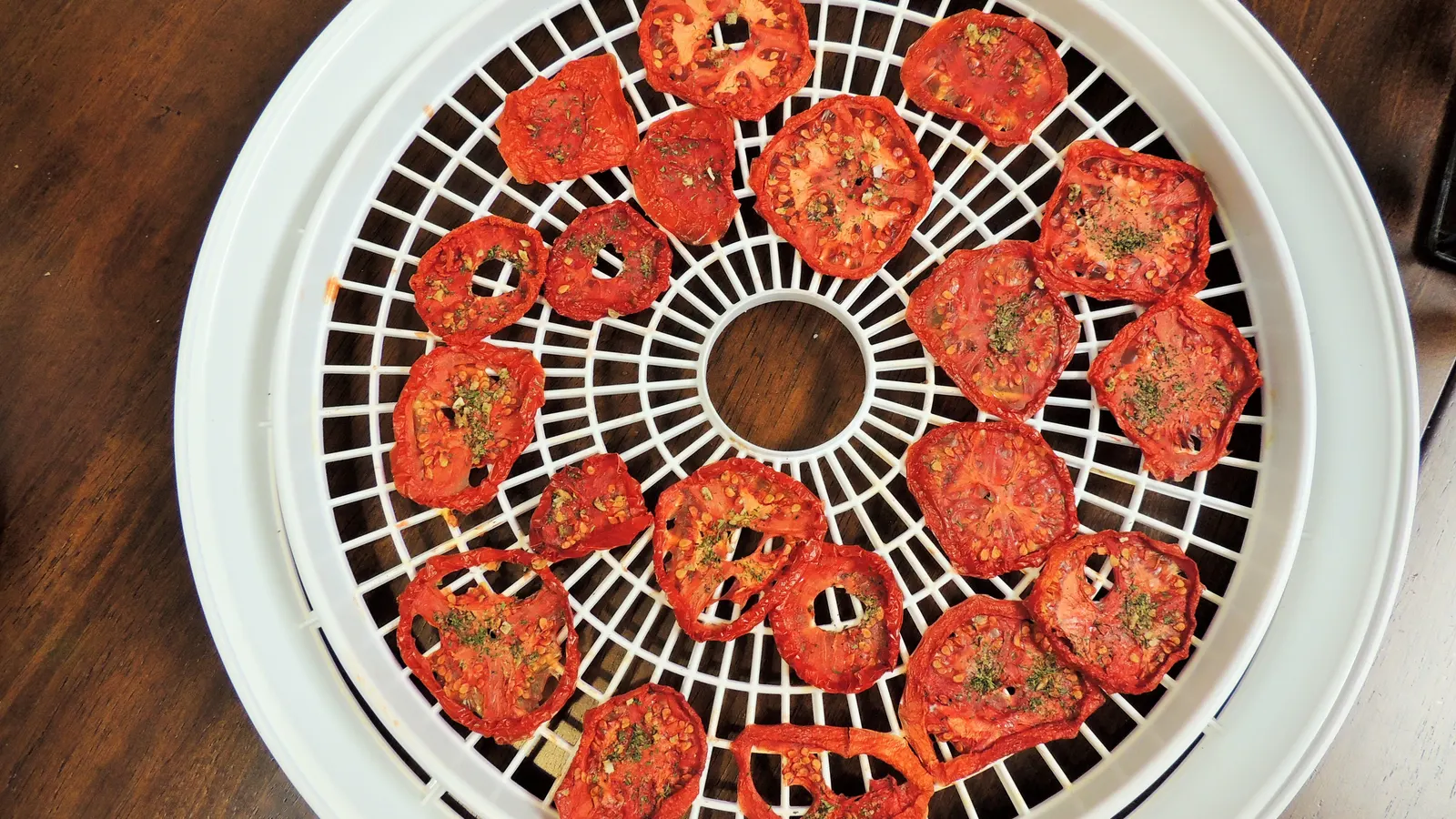
Photo: Nutrition, Food Safety Health, CC0, cropped

Tomato powder adds colour, acidity and savoury depth without added water. Food manufacturers use it in snack seasonings, instant soups, noodle tastemakers, sauces and pizza seasonings. It is hygroscopic, so it needs dry handling and barrier packaging.
Tomato is one of the most useful savoury flavours in food manufacturing, but fresh tomato and paste bring a lot of water, a short shelf life and harder handling. Tomato powder gives formulators the same colour, acidity and savoury depth in a stable, dry and easy-to-dose form. That is why it appears in so many seasonings, instant meals and snack coatings.
Where tomato powder is used
- Snack seasonings: tomato dusts for chips, namkeen, puffs and extruded snacks.
- Instant soups and noodle tastemakers: reliable colour and tang in a dry sachet.
- Sauces, gravies and ready-to-cook mixes: body and acidity with less handling of wet ingredients.
- Pizza and pasta seasonings: as a base with herbs, garlic and onion.
- Bakery: savoury crackers, breadsticks and filled products.
Why food manufacturers use it
- Storage and logistics: dry powder takes up less space than canned or chilled tomato ingredients and needs no cold chain.
- Year-round use: it reduces your exposure to the seasonal swings in fresh tomato price and quality.
- Accurate dosing: dry-blended powder gives consistent results from batch to batch.
- Natural umami and colour: tomato brings natural glutamates and red tones, which support a recognisable ingredient list.
Formulation tips
Start with a bench trial, as there is no universal dosage. Strength depends on the tomato solids in the powder and the rest of your recipe. If you are replacing paste, match on solids and flavour rather than swapping weight for weight, since paste contains much more water.
- Balance acidity: tomato powder alone can taste sharp, so a small amount of sugar or a dairy-based powder can round it out.
- Layer the savoury notes: combine it with onion, garlic and spices for a fuller flavour.
- Pre-disperse in wet systems: add the powder gradually with good mixing to help prevent lumps.
- Control humidity: tomato powder is highly hygroscopic, so keep bags closed and blend in a dry environment.
- Consider a flow agent: for seasoning dusts, an approved anti-caking agent may improve flow. Declare it on the label.
Colour and storage
Tomato's red colour comes mainly from lycopene, a pigment that is sensitive to light, oxygen and prolonged heat. Colour can fade or turn dull over time, particularly in clear packaging. Use a good barrier pack, store it somewhere cool and dry, and rotate your stock on a first-in, first-out basis.
What to specify when buying
- Colour and flavour against an agreed reference sample.
- Moisture and particle size limits.
- Any carriers or anti-caking agents.
- Microbiological results for products that will not be cooked again.
Our tomato powder is available in retail and bulk packs. Check the product page for its specifications, or request a sample to try in your recipe.
Frequently Asked Questions
Can tomato powder replace tomato paste?
Often yes, but not weight for weight. Paste contains much more water, so match on solids and flavour in a bench trial.
Why does tomato powder clump?
It readily absorbs moisture from the air. Keep bags sealed, blend in dry conditions and use a permitted anti-caking agent if needed.