Turmeric Powder Quality: Curcumin Content, Adulteration and What to Test
Bright colour does not prove quality. Learn what curcumin percentage really means, how turmeric gets adulterated and which tests protect your brand and customers.
Legacy Editorial · 31 Oct 2026 · 6 min read
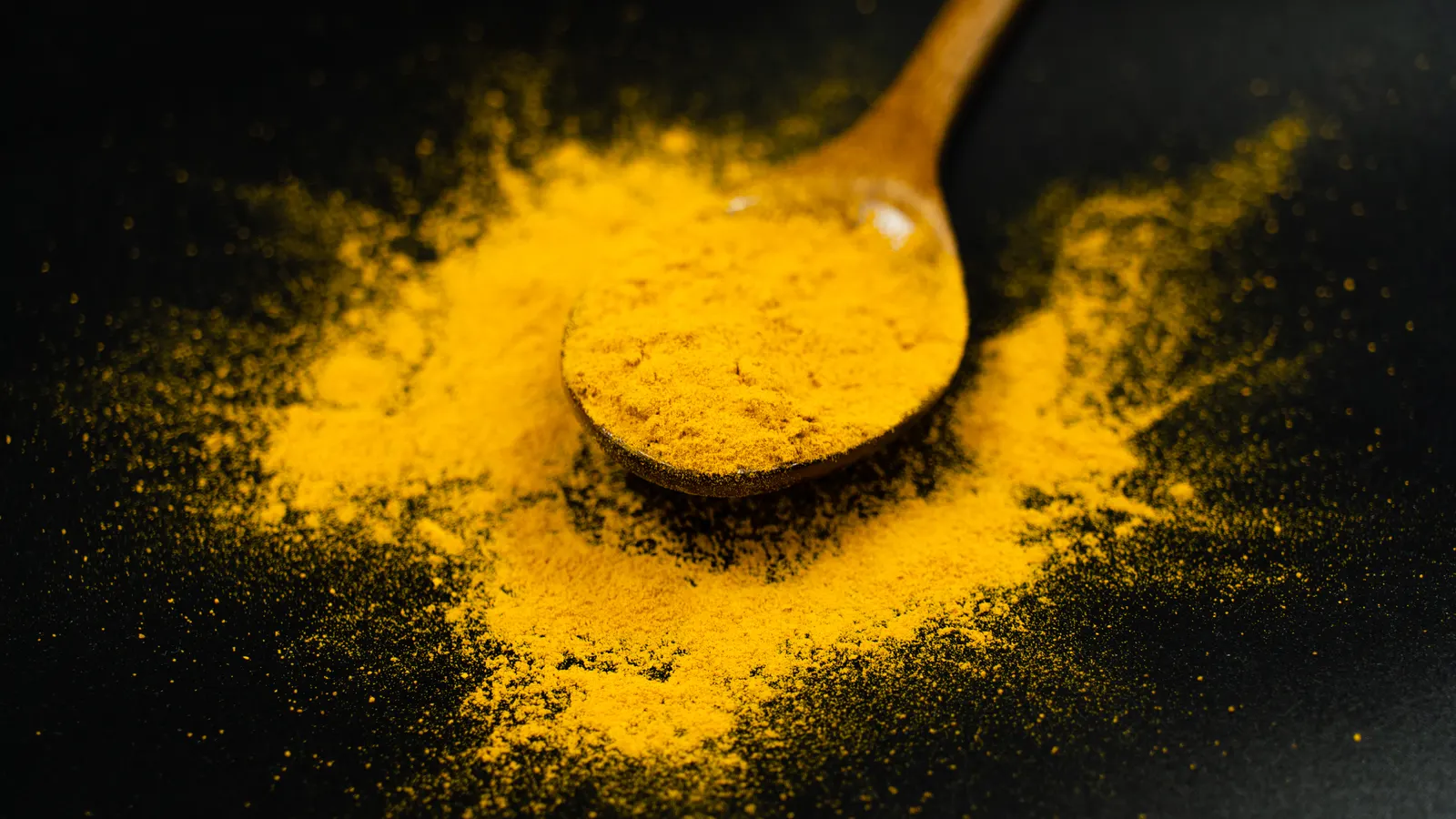
Photo: formulatehealth, CC BY 2.0, cropped

Good turmeric powder is judged by laboratory results, not colour alone. Ordinary powder commonly contains about 2 to 5% curcumin. Buyers should check curcumin by a named method, plus lead and chromium, prohibited dyes, ash, moisture and microbiology.
Turmeric is among the most widely traded spices in the world, and India is its largest producer. It sells on colour, so colour is the feature that adulterators try to imitate. Whether you are a seasoning manufacturer, a nutraceutical brand or a retailer, you need to know what makes a turmeric powder good and how to confirm it.
What curcumin percentage means
Turmeric's yellow colour comes from curcuminoids, usually reported together as curcumin. Ordinary turmeric powder generally contains only a few percent, commonly around 2 to 5%, and varies by variety, origin and processing. Meghalaya's Lakadong variety is known for reaching higher levels.
Don't confuse turmeric powder with curcumin extract. Supplements advertised at 95% curcuminoids are concentrated solvent extracts, which are a different ingredient. If someone offers plain, low-cost turmeric powder with an unusually high percentage, ask for the test method and report.
The test method matters. A spectrophotometric test and an HPLC test can give different figures for the same sample, so compare suppliers using the same method.
Common forms of adulteration
- Lead chromate: an industrial pigment that gives a bright yellow-orange colour. Forsyth et al. (Environmental Research, 2019) identified it in turmeric supply chains in Bangladesh, and regulators elsewhere have recalled turmeric for high lead levels. Lead is toxic, especially for children, and no safe exposure level has been established.
- Synthetic dyes: colours such as metanil yellow have been used to make weak turmeric look stronger, and are not permitted in turmeric.
- Starch and fillers: rice, wheat or other cheap flours add weight and lower the strength.
- Chalk and similar minerals: these add weight and can also show up as high ash.
Which tests to ask for
- Curcumin content, with the method identified.
- Lead, chromium and other heavy metals, checked against your market's limit.
- Screening for prohibited synthetic colours.
- Moisture, total ash and acid-insoluble ash.
- Microbiological results, plus pesticide residues and aflatoxins where required.
Quick home checks and their limits
A simple home test involves stirring a pinch of turmeric into a glass of warm water. Pure turmeric mostly settles and leaves the water pale yellow, while a strongly coloured liquid can suggest added dye. Treat this as a rough screen only. It can't confirm purity or detect lead reliably. Food businesses should rely on laboratory testing.
How to buy with confidence
- Buy from a supplier who can trace their material to its origin.
- Ask for a Certificate of Analysis for your specific batch, not a general spec sheet.
- Be suspicious of intense colour at a very low price.
- Test new suppliers independently at an accredited laboratory, particularly for export or infant-related products.
- Choose light-resistant packs, because curcumin fades in light.
Quality in turmeric comes from honest sourcing and testing, not just a bright colour. Visit our turmeric powder page for product details, or contact our team to request documentation and a sample.
Frequently Asked Questions
How can I tell if turmeric powder is pure?
A water test may suggest added dye, but it can't confirm purity or detect lead reliably. Laboratory testing is the dependable method.
What is a good curcumin percentage in turmeric powder?
Many ordinary powders contain about 2 to 5%. Compare suppliers using the same test method, because results vary between methods.
Sources
- Forsyth et al., Turmeric means 'yellow' in Bengali: Lead chromate pigments added to turmeric threaten public health across Bangladesh, Environmental Research, 2019